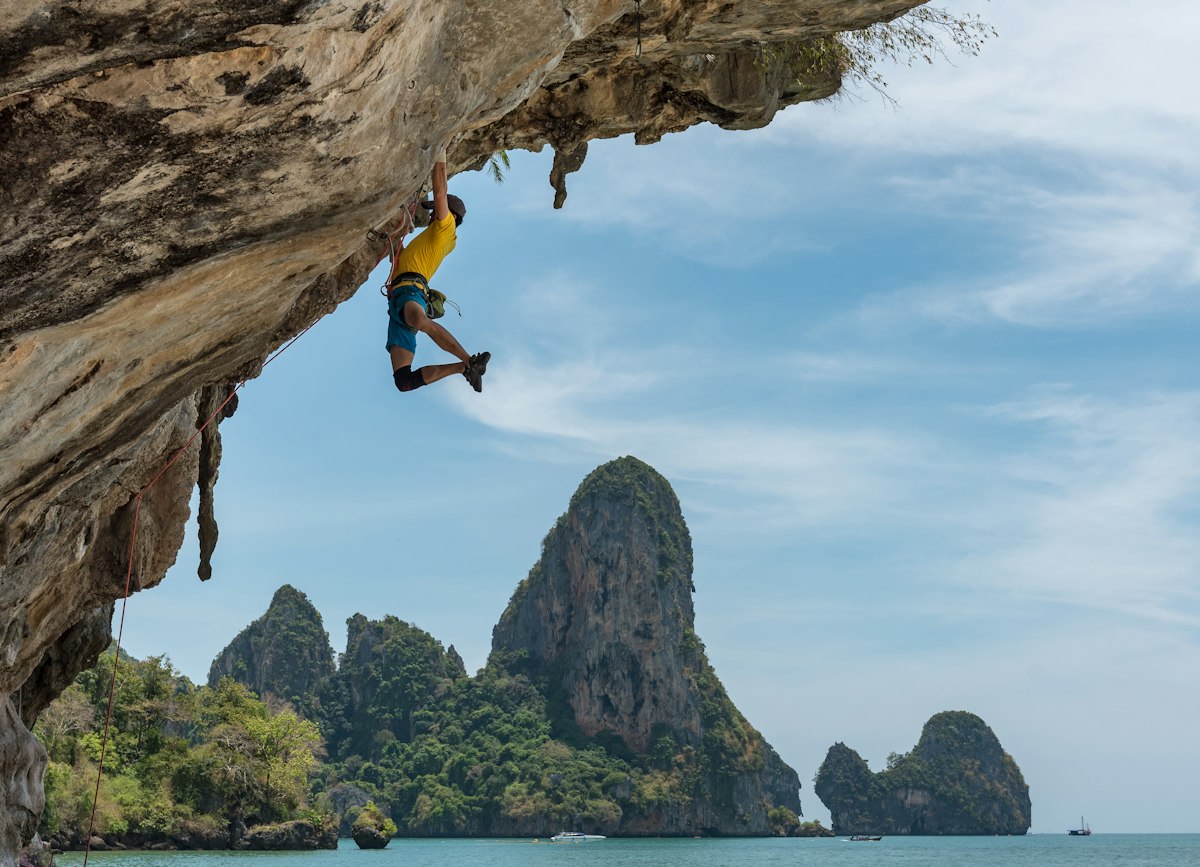
The Caminito del Rey is what puts El Chorro on the map for most visitors. But for thousands of climbers from all over Europe, El Chorro is synonymous with something else: one of the most important rock climbing sectors on the Iberian Peninsula, with more than 400 routes on the walls of the Gaitanes gorge and its surroundings.
If you're a climber, you're here to climb, or you simply want to understand what makes this place special beyond the walkways, here's what there is.
El Chorro as a climbing area
The limestone walls of the Gaitanes gorge have ideal characteristics for sport climbing: the rock is solid, very textured (what climbers call "friction"), and the sectors are oriented so that climbing is possible almost year-round — sunny sectors in winter and shaded sectors in summer.
The best-known sectors in El Chorro include:
- Makinodromo: one of the most popular sectors, with mid-grade routes that make it accessible to intermediate climbers
- Los Cotos: a reference sector with long, technical routes
- El Frontón: short but very technical routes, popular for difficulty training
- Caminito sector: on the walls of the gorge itself, with multi-pitch routes
Grades range from 5a to 9a, meaning there are routes for every level, from beginners to high-level climbers.
How to combine climbing and the Caminito on the same trip
The most common combination for groups who come specifically for El Chorro:
Day 1: Caminito del Rey (morning, first entry slot). Free afternoon or a first climbing session if there's energy left.
Days 2-3: Climbing in the sectors. Access to most sectors is on foot from the village of El Chorro, between 10 and 30 minutes of approach.
Alternative: some climbers do the Caminito on the last day, as a closing activity, to avoid leg fatigue during the climbing days.
Where to stay for climbing in El Chorro
The hub for climber accommodation is the village of El Chorro itself, which has several establishments specifically geared toward this crowd:
- Apartments and rural houses with gear storage space: common in the village's establishments
- Camping with bungalow rental options: a campsite next to the reservoir
- Bars and restaurants with affordable set menus: the village's establishments know climbers' needs well (lots of food, reasonable prices)
The climbing community in El Chorro is international — it's common to find groups of Germans, Brits, French, and Dutch climbers who come regularly, especially in spring and autumn.
Practical information for climbers
Climbing guides available: there's a specific, updated guidebook to El Chorro with all sectors, grades, and route photos. It can be found at some climbing shops in Málaga or online.
Gear: most sport routes have bolts already installed. Bring your own quickdraws and rope.
Recommended season:
- Autumn and winter (October-February): the sunny sectors are perfect, ideal climbing temperature
- Spring (March-May): all sectors work well
- Summer (June-September): shaded sectors only (there are quite a few north-facing ones)
Water: bring enough for the whole climbing day. There are no water sources at the sectors.
El Chorro for those who don't climb but want to watch
If you don't climb but are curious to see this world, the viewpoint from the village of El Chorro offers views of some sectors where climbers are usually on the walls. With binoculars or your phone's zoom you can see well. It's a curious experience: watching people climb vertical walls with rope, from the comfort of the viewpoint.
El Chorro is one of those places people discover because of the Caminito and come back to for the climbing. If you're interested in exploring further, spending two or three nights in the area lets you do the Caminito and make the most of the rock sectors without rushing.
✓ Guaranteed Availability 2026
Ready to visit Caminito del Rey?
Official tickets sell out months in advance. Book your guided tour with free cancellation up to 24 h before.
See availability and price →⚡ Free cancellation · Instant confirmation